
Menu
Add a description or promo here


Safe Ways to Support Someone and Speak Up
Everyday Actions Build Safer and More Connected Communities
People sometimes notice that a friend, relative, neighbour or colleague appears frightened, isolated or controlled but feel unsure about what to say. That uncertainty is understandable. Supporting someone safely does not require having every answer. It begins with noticing, listening and responding without judgement.
A thoughtful conversation can help someone feel less alone and more able to consider their options.
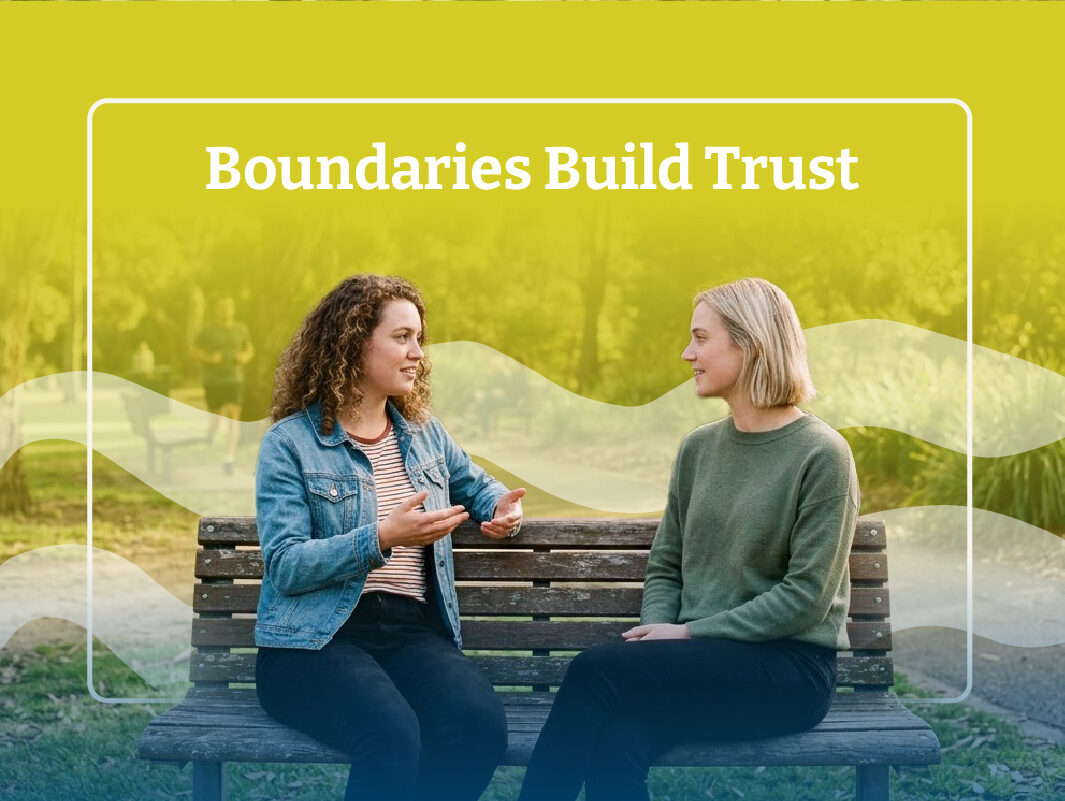
Choose a safe moment
Speak privately when the person using violence or control is not present. Be mindful that phones, messages, email accounts or locations may be monitored.
Begin with something you have noticed rather than making accusations or demanding an explanation. You might say:
- “I have noticed you seem worried lately. Is everything okay?”
- “You have not seemed like yourself. I am here if you want to talk.”
- “I am concerned about you. How can I support you?”
Allow the person to decide how much they want to share.
Listen and believe
f someone tells you about violence, abuse or controlling behaviour, listen without interrupting or questioning their choices.
You can say, “I believe you,” “This is not your fault,” or “You do not deserve to be treated this way.”
Avoid asking why they stayed, telling them what they must do or making excuses for the person using violence. Leaving may be difficult or unsafe, and the person experiencing the abuse understands their circumstances better than anyone else.
Support their right to make decisions when they are ready.
Ask what would help
Different people need different kinds of support. Ask, “What would be most helpful right now?”
They may want someone to listen, help locate a specialist service, attend an appointment, provide transport or keep important information in a safe place. Do not promise support you cannot safely provide, but be clear about what you can do.
Small, dependable actions can rebuild a sense of connection and choice.
Keep safety at the centre
Do not confront the person suspected of using violence. This could increase the danger for the person you are supporting or for you.
Avoid sharing information without permission unless there is an immediate safety concern or a legal safeguarding responsibility. If children may be at risk, seek advice from an appropriate professional or service.
If the person does not want to talk, respect that decision. Let them know the door remains open: “That is okay. I am here if you ever need me.”
Connect with specialist support
You do not need to provide counselling or manage the situation alone. Offer to help the person explore professional support when they are ready.
In Australia, 1800RESPECT provides confidential support by phone, text, online chat and video call. Its guidance recommends believing the person, listening without judgement and supporting their choices rather than forcing a particular action.
If someone is in immediate danger, call Triple Zero on 000. People seeking information or support can contact 1800RESPECT on 1800 737 732 or text 0458 737 732, 24 hours a day.
Become part of a supportive community
Community support also happens before anyone discloses violence. Check in when someone withdraws. Include people who may be isolated. Learn about available services. Encourage your workplace, school or club to make support information accessible.
Across The Hills Shire, neighbours, friends, colleagues, parents, coaches and local leaders can help create a culture where people are believed, respected and connected with appropriate support.
You do not need all the answers to make a difference. A safe question, a listening ear and a reliable connection can be meaningful first steps.

Next...






FUNDING PARTNER
CHRG (Castle Hill RSL Group) is a community-led organisation that has served, supported, and strengthened the communities of North-West Sydney for 50 years.
.png)