
Menu
Add a description or promo here


Navbook briefing sessions
Your organisation is already making a difference. The Hills Zero DFV Navbook shows how to amplify that impact, through a shared, community-wide strategy designed to prevent violence before it occurs.
From isolated action to coordinated prevention
Your organisation is already contributing to prevention efforts in Hills community through awareness, training, policies, funding, and support for local services. Yet, the problem of domestic and family violence persists.
- More than 23,000 children in The Hills Shire are at risk of exposure to DFV
- Over 27,000 adults have experienced intimate partner abuse
- 61% say it impacts their ability to work
Despite everyone's hard work across the community, the issue persists. If we want different outcomes, we need a different approach.
Sustained prevention doesn’t come from standalone programs. It requires alignment across:
- Workplaces
- Schools
- Sporting clubs
- Local organisations
- Community leaders
- Faith groups
A shared direction. A common framework. A coordinated effort.
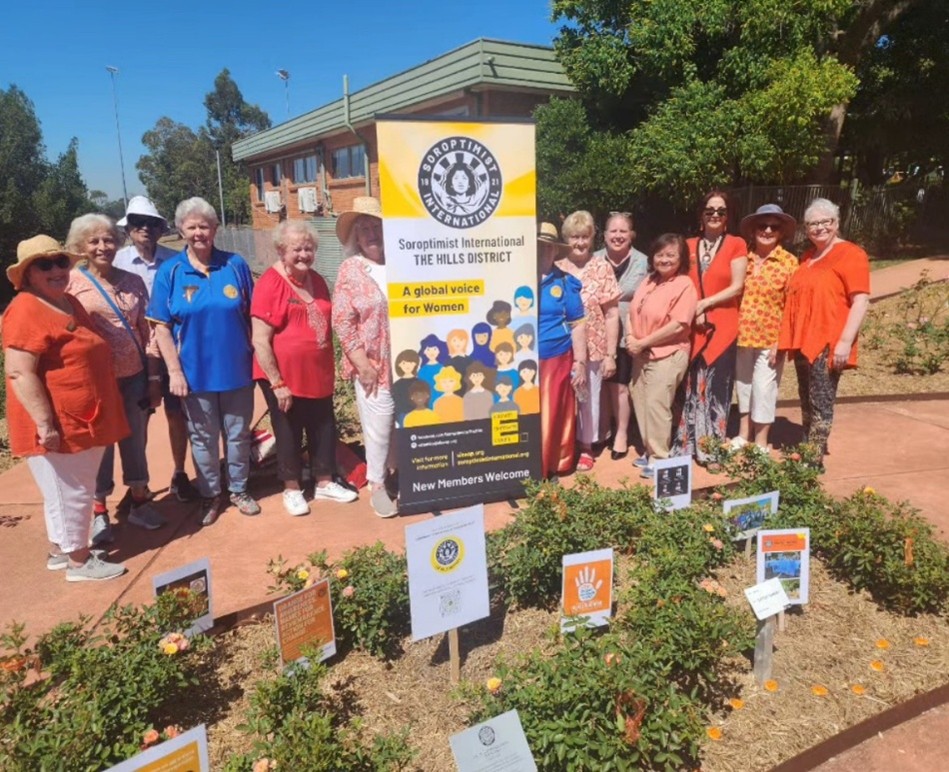
introducing the Hills Zero DFV Navbook
"We have a real opportunity to reduce domestic and family violence to zero by working together - collaborating, sharing goals and programs.” ~ Mayor Michelle Byrne
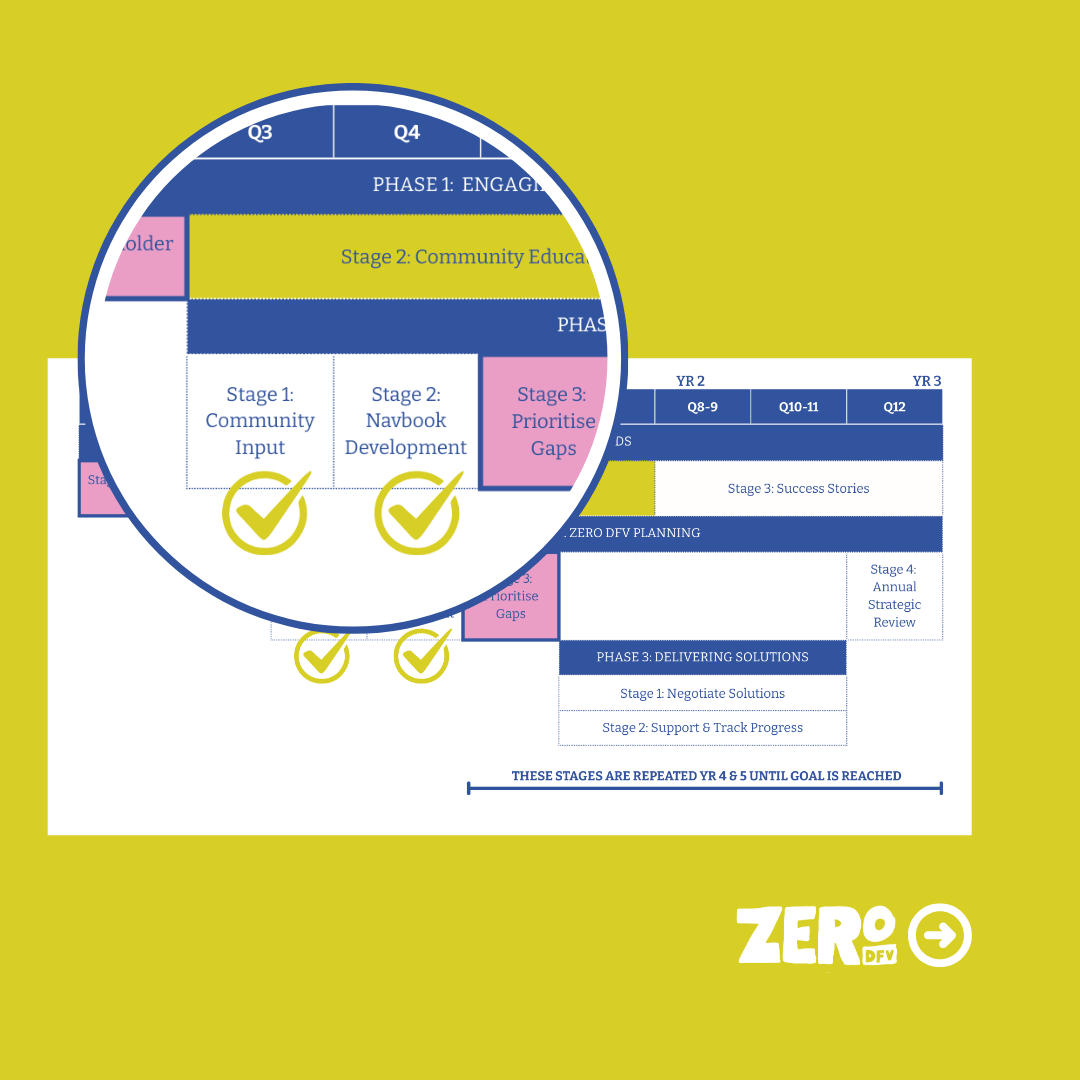
Developed through community consultation in 2025, The Navbook provides a practical roadmap for coordinated action across The Hills Shire, unifying local efforts into a single, shared prevention strategy.
It includes:
- A whole-of-community approach
- A five-year action plan already in implementation
- Supported by organisations, local police, and community leadership




FUNDING PARTNER
CHRG (Castle Hill RSL Group) is a community-led organisation that has served, supported, and strengthened the communities of North-West Sydney for 50 years.
.png)