
Menu
Add a description or promo here


When Connection Becomes Control
Technology is part of everyday connection. We message a partner about dinner, share photos with friends and use online accounts to organise family life. These tools can make relationships easier. But when someone uses them to frighten, pressure, monitor or restrict another person, that behaviour can be tech-based abuse.
Recognising the difference starts with looking beyond the device. A phone, app or account is the tool being used. The concern is what someone does with it, whether the other person has a real choice, and how the behaviour affects their safety, privacy and independence. A person does not need technical expertise to notice when another person's behaviour is limiting their choices or making everyday communication feel frightening, exhausting or unsafe.
Consider messaging. A friendly check-in can be welcome. Repeated messages demanding an immediate response, followed by accusations or threats when someone is unavailable, can become harassment. The issue is not a particular number of messages. It is the pressure, intimidation and control behind them.
Password demands can also be a warning sign. Someone might insist that access to a partner's phone proves trust, or accuse them of hiding something if they want privacy. Accessing messages or accounts without consent, or pressuring someone to hand over passwords, undermines their freedom to make decisions about personal information.
Monitoring can extend beyond messages. Digital tools may be used to follow someone's movements, watch their online activity or restrict who they contact. Other behaviours include impersonating someone online, denying access to devices or threatening to share intimate images. These actions can occur during a relationship or after it ends.
Not every instance of sharing access or location is abusive. People may freely choose arrangements that suit them. What matters is whether consent is freely given and can be reconsidered without punishment, intimidation or fear. An agreement made under pressure does not become respectful simply because someone reluctantly says yes.
Tech-based abuse can leave someone feeling constantly watched, isolated or unable to relax. The effects may continue even when the device is put away. A person might worry about who can see their messages, whether their movements are being tracked, or what will happen if they do not respond.
Responsibility always lies with the person using abuse. Experiencing it does not mean someone has failed to communicate clearly, protect an account or set the right boundary.
Recognising warning signs can help communities respond with greater understanding, while avoiding blame or pressure on the person affected.
If something feels concerning, specialist support can help someone consider their circumstances and options. When monitoring is suspected, accessing information from a device the abusive person cannot access may be safer. Before changing passwords, removing apps or blocking someone, seek advice about possible risks and an appropriate safety plan.
If a friend shares a concern, listen without judgement. Let them know you believe them and respect their choices about what happens next. Avoid confronting the person using abuse or making changes to devices on their behalf without discussing safety. Support should strengthen someone's control over their own decisions.
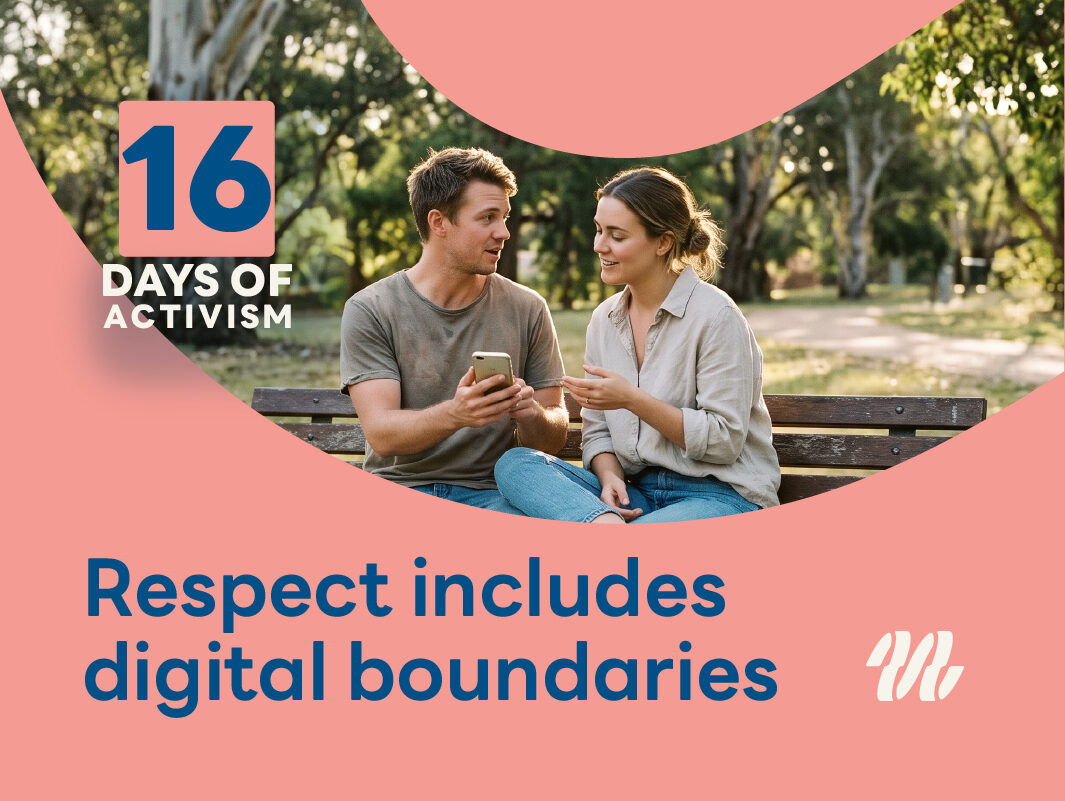
From 25 November to 10 December 2026, The Hills Connected or controlled? campaign will explore these questions through the 16 Days of Activism. Community members can learn about warning signs, reflect on respectful online behaviour and discover local opportunities to participate. The aim is to build recognition and start informed conversations.
Experiencing tech-based abuse? Contact 1800RESPECT on 1800 737 732 for support and safety planning. eSafety provides information and reporting pathways for relevant online harms. If you are in immediate danger, call Triple Zero (000). Local support information is available at zerodfv.co.

Next...







FUNDING PARTNER
CHRG (Castle Hill RSL Group) is a community-led organisation that has served, supported, and strengthened the communities of North-West Sydney for 50 years.
.webp)