
Menu
Add a description or promo here


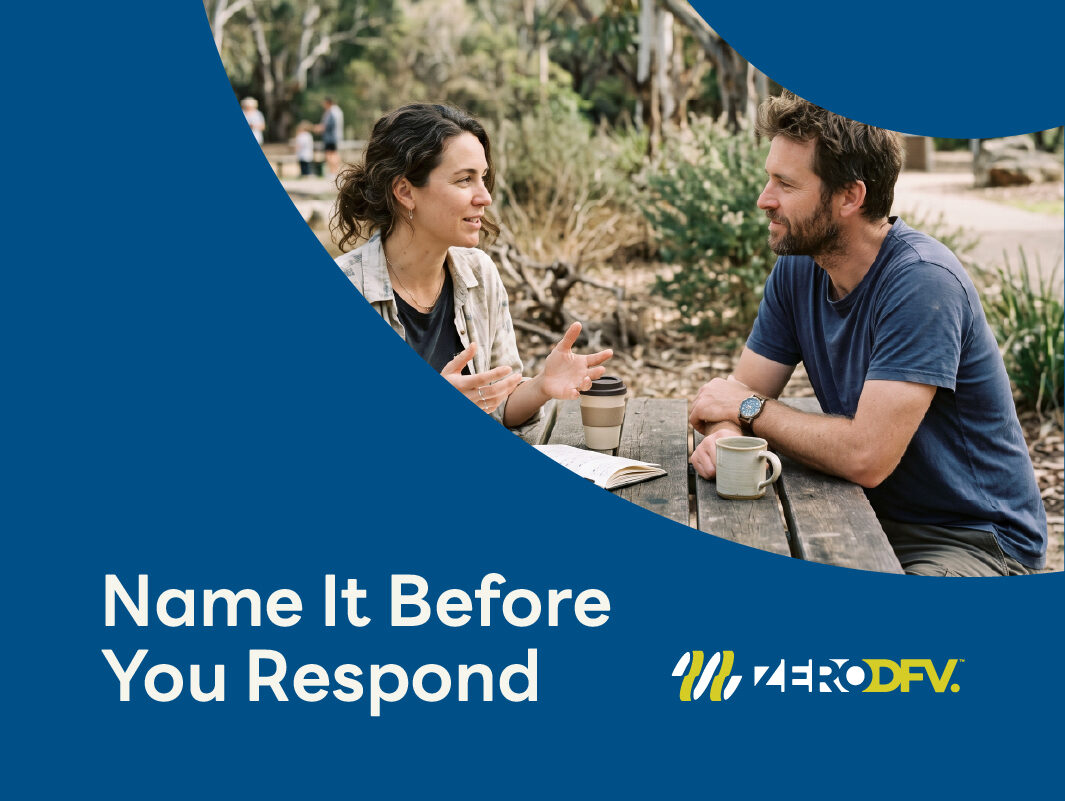
Check in without pressure and make connection easier
Domestic and family violence is a community concern in The Hills Shire. Prevention includes changing norms that excuse control or disrespect. Connection can support this work when it makes room for equality and choice. A friendship built on pressure to prove toughness, hide feelings or join in disrespectful talk offers a different kind of belonging from one built on care.
An everyday check-in is a practical opportunity to choose the second kind. The aim is to offer contact without demanding a conversation, an explanation or access to someone’s private life.
Start with an invitation
Think of someone you already know: a neighbour, colleague, friend or fellow volunteer. Choose a normal moment and make a simple invitation. You could ask, “Would you like a short walk this week?” or offer to catch up after a shared activity.
Make it easy to decline. A person may be busy, tired or simply not interested. Accept their answer without repeatedly asking or taking it as an insult. You can leave the invitation open while continuing to treat them with the same warmth and respect.
Listen without taking over
If someone wants to talk, ask whether they would prefer listening or help thinking through options. Put aside the need to immediately solve the situation. Give them time to finish and avoid comparing their experience with someone else’s.
Connection is not measured by how much a person reveals. A quiet conversation about gardening, a shared hobby or the week ahead can still be welcome. Do not use someone’s openness as a reason to seek more detail. Keep private information private and ask before sharing anything with others.
Make room for different ways to connect
In The Hills Shire, everyday contact can happen around a park visit, a workplace break or an existing community activity. Offer options that suit the person rather than assuming everyone enjoys large groups, sport or face-to-face conversation. Consider a brief message or an accessible meeting place.
Ask what works instead of guessing from someone’s age, gender or background. A regular invitation can be useful, but its frequency should be agreed. Staying connected means being attentive to preferences, including someone’s wish for space. Friendship does not require constant availability.
Choose respectful group habits
Groups can make connection more welcoming by avoiding jokes that put down women or shame people for showing emotion. Leaders can set clear expectations and give everyone a fair opportunity to contribute. These habits connect social warmth with the equality that prevention requires.
If a conversation becomes disrespectful, consider the safest proportionate response available to you. You might redirect an ordinary discussion or raise a concern through an organisation’s established process. Do not confront someone when doing so could place you or another person at risk. Seeking guidance is also an action.
If you organise regular activities, ask participants which invitations they find comfortable. Keep reminders brief and make opting out straightforward. You can also model an appreciative response when someone declines, so the group sees that participation remains a choice, rather than a condition of acceptance.
Keep the invitation practical
Pick one small step you can sustain this month. Invite a colleague to a break, ask a neighbour whether they would like company, or reconnect with a friend at a mutually convenient time. The Australian Institute of Health and Welfare describes social connection as a source of practical and emotional support. That does not establish that a check-in prevents violence.
Its prevention value lies in how we connect: without control, with equal respect, and alongside wider community efforts. Across The Hills Shire, we can make everyday invitations warmer and more flexible, helping build a culture where people’s choices and dignity matter.
Explore practical ways to get involved with ZeroDFV:
ZeroDFV website — https://www.zerodfv.co/
For information about support in The Hills Shire, visit:
Support information — https://www.zerodfv.co/support-in-the-hills-shire

Next...







FUNDING PARTNER
CHRG (Castle Hill RSL Group) is a community-led organisation that has served, supported, and strengthened the communities of North-West Sydney for 50 years.
.webp)