
Menu
Add a description or promo here


What Respect Looks Like Online
Healthy relationships make room for connection and independence. That applies when we spend time together and when we communicate through phones, messages, social media or other digital tools. Respect online means recognising that another person has their own privacy, friendships, preferences and choices, even within a close relationship.
Privacy is a useful place to start. Being in a relationship does not create an entitlement to read someone's messages, check their accounts or demand their passwords. People can choose to share information, but that choice should be freely made. Keeping a private conversation private does not make someone untrustworthy.
Respect also includes accepting that people are not always available. Work, study, family commitments, rest and time with friends can all mean a reply comes later. An unanswered message does not justify repeated calls, accusations or contacting someone across multiple platforms until they respond. Connection should leave room to be offline.
Consent matters when sharing content too. Before posting a photo, forwarding a message or tagging someone at a location, ask whether they are comfortable with it. A previous yes does not mean permission for everything that follows. People can change their minds, and their decision should be respected without pressure. These expectations also apply after separation.
Boundaries become clearer through everyday conversations. Someone might say they prefer not to share their location, or that they do not check messages during work. A respectful response is to listen and consider how to accommodate that preference. A boundary describes someone's own limits; it should not become an excuse to control another person.
For example, saying you will put your phone away during dinner describes your own behaviour. Demanding that a partner stop talking to particular friends controls theirs. Shared routines can be discussed and agreed together, while preserving each person's freedom to maintain relationships and make independent choices without being punished.
Feelings can be uncomfortable without giving us permission to behave harmfully. Jealousy or worry may arise when someone is slow to reply. We remain responsible for how we respond. In a safe relationship, explaining a feeling and listening is more respectful than checking a phone or demanding proof of someone's whereabouts.
A simple reflection can help: am I asking for connection, or expecting access and compliance? Consider whether the other person can disagree, say no or suggest something different without fear. Respectful behaviour allows that freedom. It does not require someone to constantly demonstrate loyalty by surrendering their privacy or independence.
Parents, coaches, colleagues and local leaders can model these principles in ordinary interactions. Ask before sharing another person's image. Avoid treating constant availability as a measure of care. Respect private information. These actions give people practical examples of consideration, while creating opportunities to talk about the behaviours we expect from one another.
Communication alone cannot resolve abuse. If someone uses threats, monitoring or intimidation, responsibility lies with that person. The person experiencing abuse is not responsible for finding the perfect words or enforcing a boundary safely. Specialist support can help them consider their circumstances, including whether changing digital settings could increase risk.
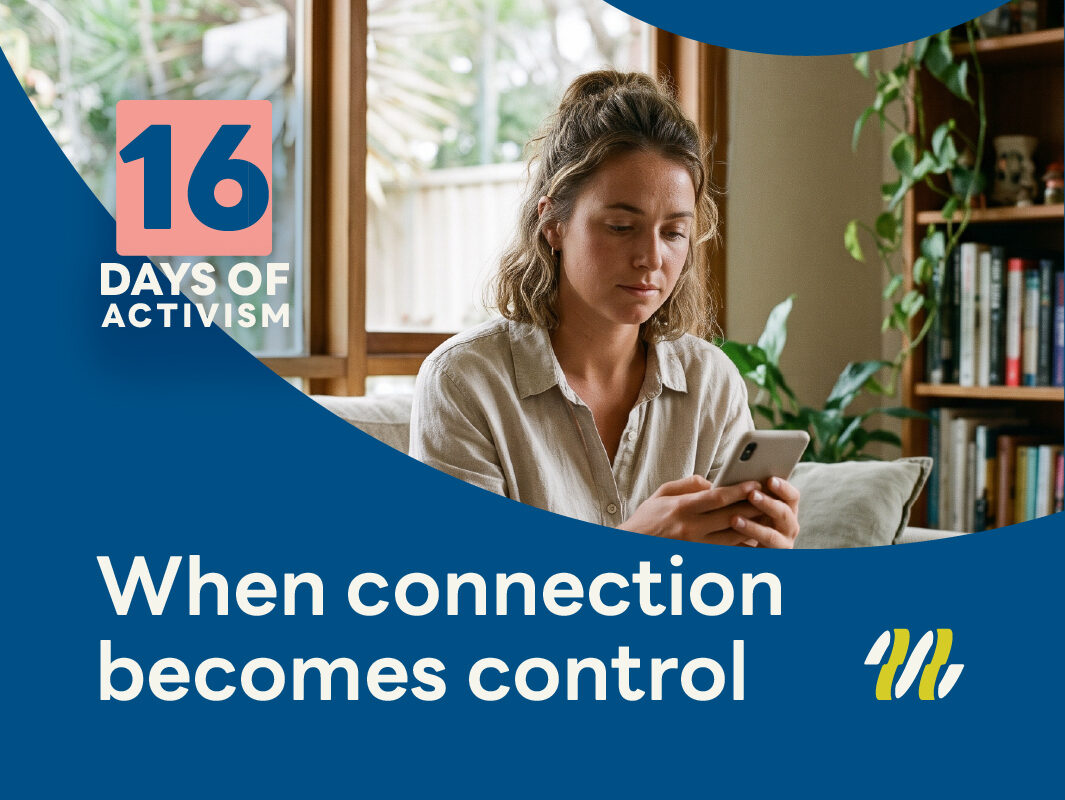
The Hills Connected or controlled? campaign, running from 25 November to 10 December 2026, invites the community to explore what healthier relationships look like online. During the 16 Days of Activism, learning questions, local activities and reliable resources will help make privacy, consent and independent choices part of the conversation.
Experiencing tech-based abuse? Support is available through 1800RESPECT on 1800 737 732. eSafety offers information about online harms and reporting options. If you are in immediate danger, call Triple Zero (000). Visit zerodfv.co for information about local support services.

Next...







FUNDING PARTNER
CHRG (Castle Hill RSL Group) is a community-led organisation that has served, supported, and strengthened the communities of North-West Sydney for 50 years.
.webp)