
Menu
Add a description or promo here


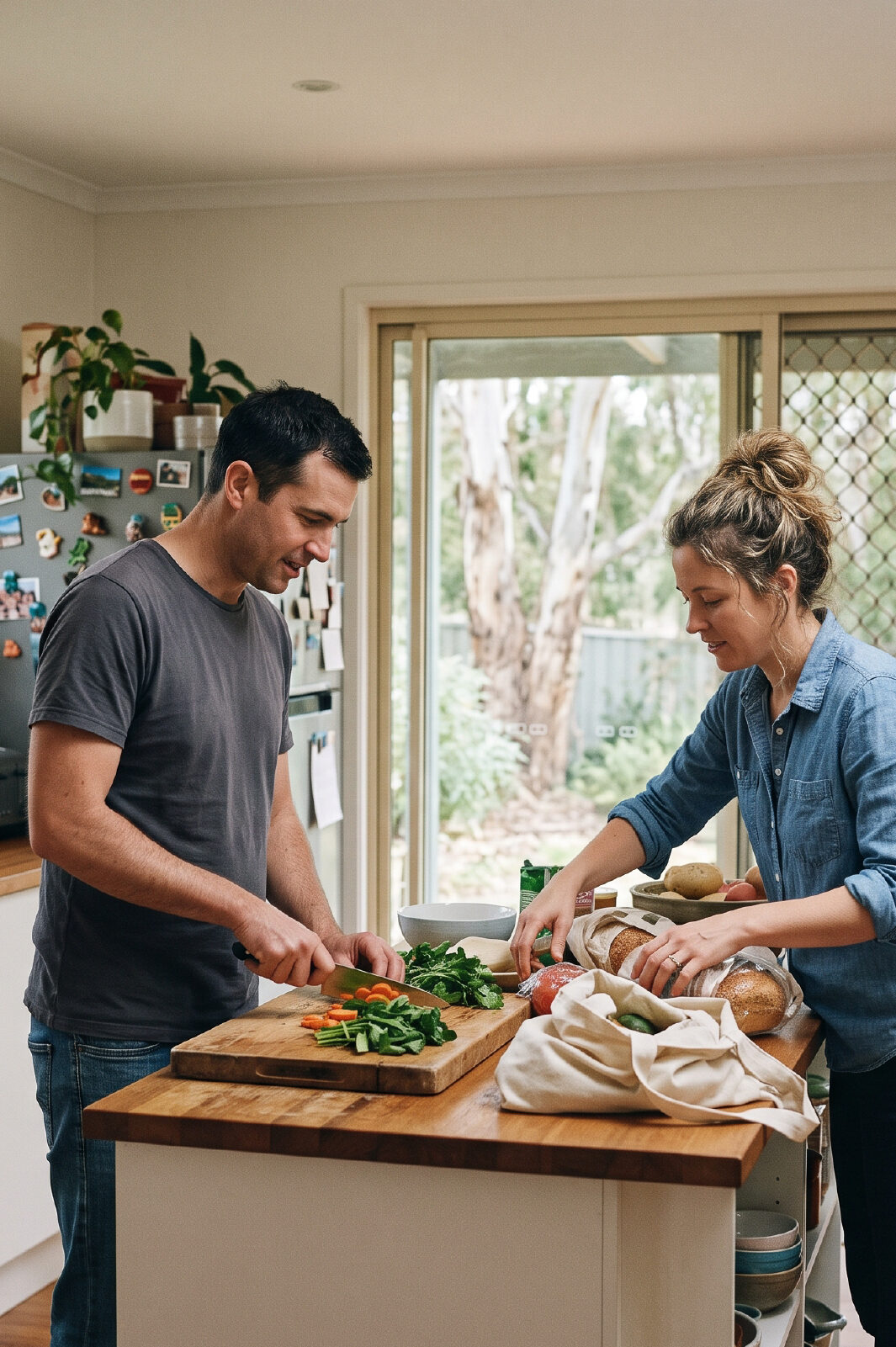
Show respect by sharing everyday responsibility
Domestic and family violence prevention asks us to address inequality as well as individual behaviour. In The Hills Shire, everyday responsibilities offer a practical place to begin. When caring, organising or making decisions is assigned automatically by gender, unequal expectations can become part of ordinary life. We can question those expectations without shaming people or assuming every household works the same way.
The single idea is simple: make responsibility a shared discussion. Notice the work involved, agree on fair arrangements and let people see respect in what you do.
Notice the whole task
A task often includes more than its visible final step. Preparing for a community meeting might involve choosing a time, checking access, sending invitations and following up. At home, arranging an appointment may include planning transport and keeping track of information.
If you volunteer to take responsibility, clarify what the task includes. Rather than waiting to be reminded at each stage, agree on the outcome and complete the steps within your role. Ask questions when needed. Sharing responsibility should not create a new job for someone else to supervise you.
Agree on fairness together
Start with a practical conversation about time, capacity and preferences. Ask which responsibilities each person can take on and what needs to change. Fairness does not mean identical contributions in every situation. Caring needs, disability, work patterns and other circumstances can affect what is possible.
Keep the discussion open to review. Avoid treating a current arrangement as permanent simply because it is familiar. Decisions should allow everyone a meaningful voice, including people whose contributions are less visible. Where a conversation is unsafe, a joint task discussion is not an appropriate response to abuse.
Give everyday roles more room
In a club, invite people of any gender to coach, organise, maintain equipment or support newcomers according to their skills and interests. At work, review whether meeting notes and social planning always fall to the same people. In a household, ask who carries the planning as well as the doing.
These examples are prompts for reflection, not instructions to divide every task in the same way. The aim is to loosen automatic gender assumptions and make responsibilities genuinely negotiable. People should have opportunities to learn unfamiliar tasks without being mocked or praised as an exception.
Model accountability with care
Children and young people can see respectful habits in ordinary adult actions. A parent can follow through on an agreed task. A coach can acknowledge a mistake and correct it without blaming a player. A community leader can make space for a different view when deciding how work is shared.
An apology should be followed by a practical change. Describe what you will do differently and then do it. Avoid asking the person affected to reassure you. Role modelling is not a performance of perfection; it is the steady practice of responsibility and equal respect.
Try checking an agreement after the next meeting or weekly routine. Ask whether the steps were clear and whether anything needs adjusting. A brief review keeps shared responsibility practical as people’s circumstances change.
Keep the change going
Choose one recurring responsibility this month. If it is safe and appropriate, agree on who will handle the whole task and when the arrangement will be reviewed. In a group, write down the agreement so expectations are clear. Notice whether the change gives others more time, voice or choice.
Shared responsibility is one expression of equality within wider community prevention. It does not remove accountability from anyone using violence or replace specialist support. Across The Hills Shire, we can make respect easier to recognise by carrying our part, listening to others and keeping everyday arrangements open to fair discussion.
Explore practical ways to get involved with ZeroDFV:
ZeroDFV website — https://www.zerodfv.co/
For information about support in The Hills Shire, visit:
Support information — https://www.zerodfv.co/support-in-the-hills-shire
Next...







FUNDING PARTNER
CHRG (Castle Hill RSL Group) is a community-led organisation that has served, supported, and strengthened the communities of North-West Sydney for 50 years.
.webp)