
Menu
Add a description or promo here


Name the feeling, choose a respectful response
Domestic and family violence affects communities including The Hills Shire. Preventing it means addressing the attitudes and inequalities that make disrespect acceptable, alongside building everyday skills for respectful relationships. Pressure to seem tough or always in control can leave little room for uncertainty. That pressure does not excuse controlling behaviour, and feeling insecure does not make someone violent.
One practical starting point is learning to name a feeling without making another person responsible for fixing it. This is a skill neighbours, colleagues, parents and coaches can practise and model in ordinary moments.
Give feelings a clearer name
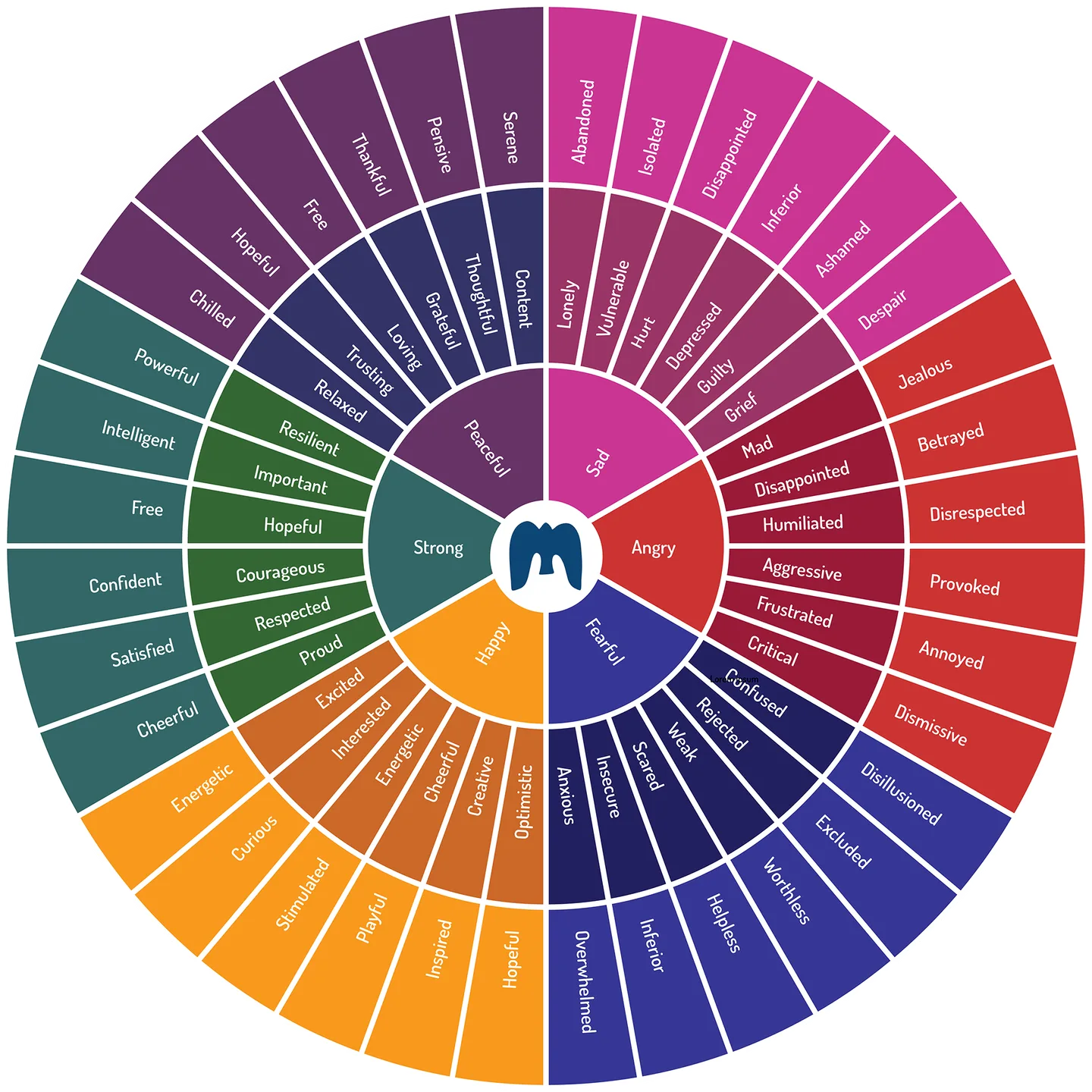
Source: https://mcgillcounselling.com/feelings-wheel/
After a difficult day, pause and ask yourself what is happening. Are you disappointed, worried, embarrassed or overwhelmed? Choose the closest word rather than searching for a perfect explanation. You might write it privately, say it to someone you trust, or take a quiet moment before speaking.
For example, after missing a deadline, a colleague could say, “I am worried about letting the team down. Can we work through the next step?” This gives the conversation a clear focus while leaving space for other people’s views.
Keep responsibility with your own behaviour
Recognising a feeling is different from giving it permission to direct someone else’s life. Worry does not create a right to demand passwords, restrict friendships or decide what another person can do. Respect includes privacy, independence and choices.
In a safe everyday conversation, try explaining what you feel and asking for discussion rather than insisting on reassurance. The other person can choose whether and when to talk. If you need a pause, describe it calmly and return to the conversation as agreed. A pause should not become punishment or a demand for compliance.
Make learning visible
Parents and carers can name their own disappointment without expecting children to manage it. A coach can acknowledge frustration after a loss while keeping feedback respectful. A neighbour can listen without mocking someone for feeling anxious. Each example makes emotional language available without deciding who is allowed to use it.
Avoid dividing feelings into those suitable for boys and those suitable for girls. Anyone can feel worried, tender, confident or uncertain. When a young person says they are nervous, ask what would help them prepare rather than telling them to toughen up. Keep their choice to speak or stay quiet intact.
Practise one small change
Choose a familiar situation this week, such as arriving home, receiving feedback or planning a shared task. Before responding, name your feeling and identify a respectful next step. That might be asking a question, accepting a different view or seeking advice from an appropriate professional.
Community organisations can support this practice by giving staff and volunteers time to learn about equality and respectful relationships. Emotional learning belongs within broader prevention efforts, including fair decisions, shared responsibility and clear standards against sexism. It is not a substitute for specialist responses to abuse.
A useful prompt for a team or family is, “How can we express disappointment respectfully?” Discuss the question in general terms, without asking anyone to recount a difficult experience. Agree on language you can use and practise it when ordinary frustrations arise.
Build a shared culture of respect
You do not need to have every answer to keep learning. Start with one feeling, one pause and one response that respects another person’s choices. Across The Hills Shire, repeated practice can help make care and accountability familiar parts of community life.
This is a contribution to collective prevention, rather than a promise that a conversation will stop violence. The responsibility for using violence always remains with the person using it. Together, we can make more room for honest feelings and equal respect.
Explore practical ways to get involved with ZeroDFV:
ZeroDFV website — https://www.zerodfv.co/
For information about support in The Hills Shire, visit:
Support information — https://www.zerodfv.co/support-in-the-hills-shire

Next...








FUNDING PARTNER
CHRG (Castle Hill RSL Group) is a community-led organisation that has served, supported, and strengthened the communities of North-West Sydney for 50 years.
.webp)