
Menu
Add a description or promo here


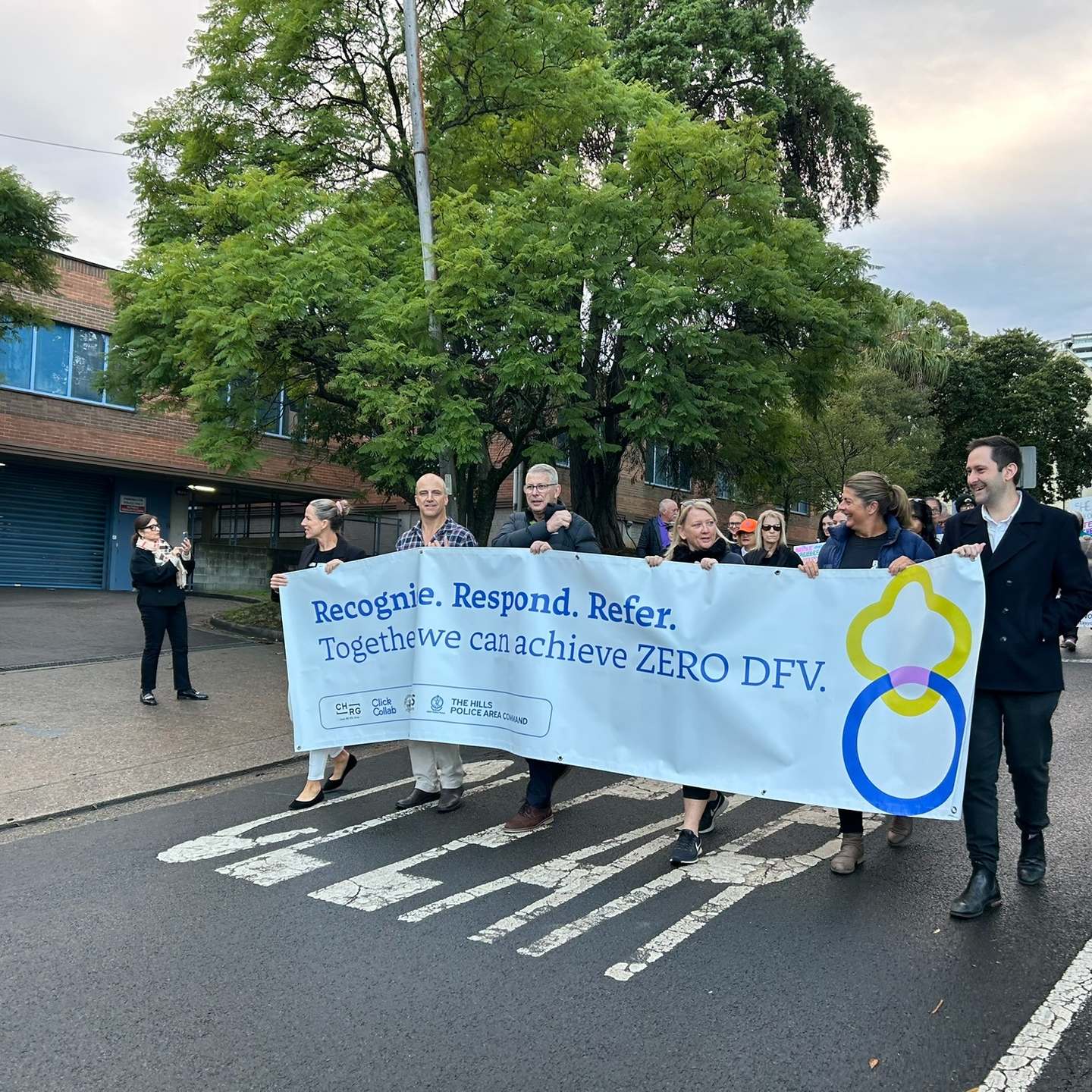
As we outline in The Hills Zero DFV Navbook, upskilling the community to recognise and respond to early signs of abuse is one of the key steps towards achieving Zero DFV - and in order to recognise and respond, we first need to know what to look for. If we all take even 30 seconds each week to learn more about DFV, and then share what we learn with others, we are already playing a powerful role in bringing our community closer to a future that is free from violence.
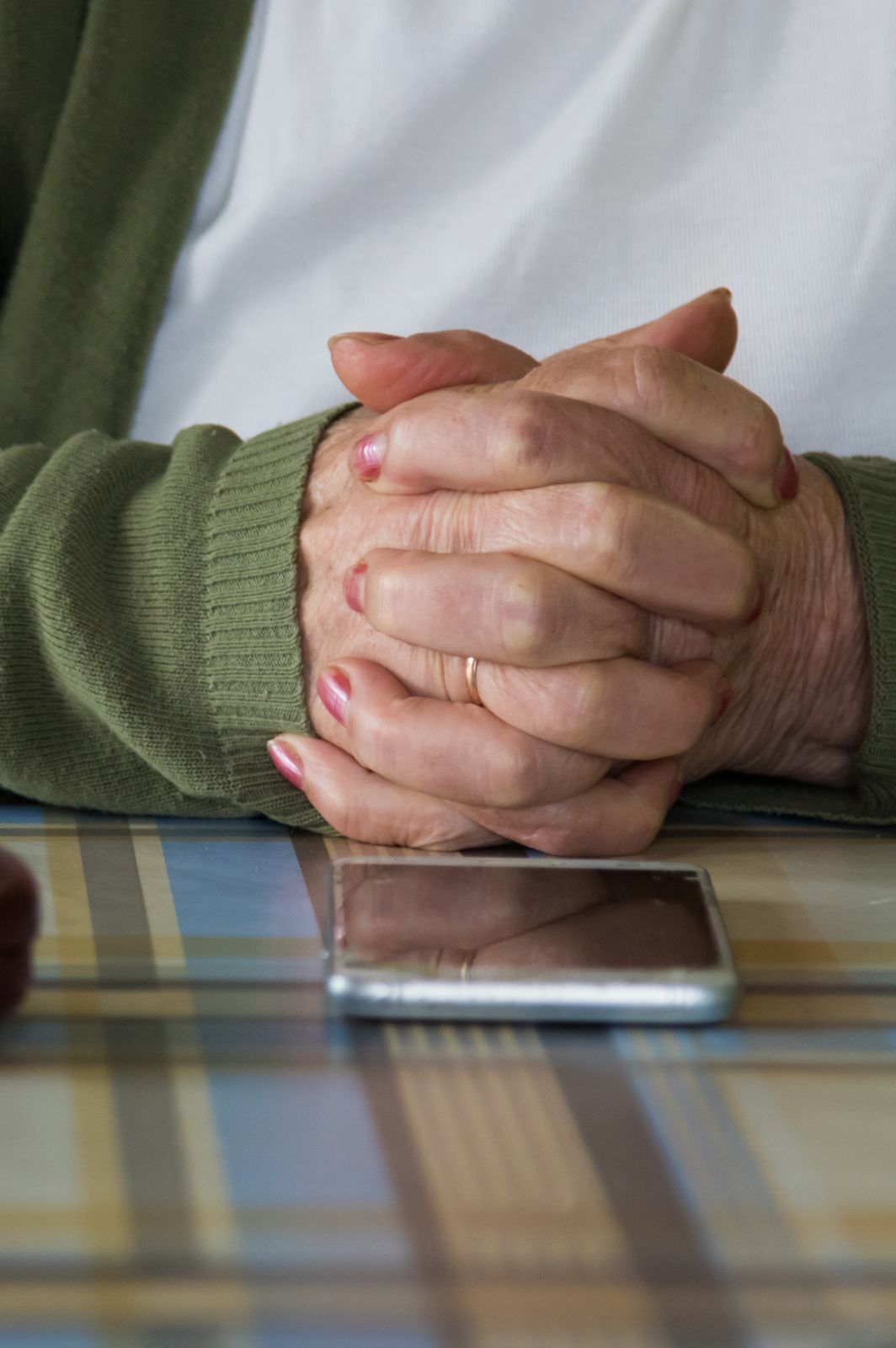
Not all domestic and family violence looks the same. In fact, it takes many different forms, which tend to be assigned to umbrella categories - for example, "emotional abuse", "coercive control", "financial abuse" and "elder abuse". In this edition of the newsletter, we'll be helping you learn a little more about elder abuse, in order to prevent it in The Hills community.
So, what is elder abuse?
Although elder abuse is a broad term for many different types of abuse, the Australian Human Rights Commission (AHRC) defines it as when a trusted person causes harm or distress to an older person. It can also mean a failure to take action to support an older person, leading to harm and distress.
The Australian Institute of Health and Wealth research indicates elder abuse affects roughly 15 per cent of older Australians. This means 4700+ people in The Hills Shire aged over 65 experienced elder abuse in the past 12 months.
Importantly, this can be the result of intentional actions of a perpetrator - or it can be unintentional. Which makes it even more important to learn to recognise what it looks like.
What is happening to prevent it?
The good news is, there is already so much work underway in the community to prevent elder abuse. For example, the Older Women's Network NSW is an organisation that is doing incredible work to raise awareness about elder abuse, and to highlight some of the attitudes and behaviours that contribute to it.
In addition to the wealth of information and resources already available on their website, the Older Women's Network NSW has recently launched the Hear Our Voices initiative, which brings together real stories from older women along with practical tools designed to support more compassionate and appropriate responses.
By amplifying older women’s voices, the project aims to reshape how systems recognise, understand and respond to violence experienced later in life. This is a hugely important step towards strengthening prevention efforts and supporting older people across the community.
How you can help as an individual
If you think someone is experiencing elder abuse, your first step might be to ask them if they feel safe. If appropriate, you could share resources to help them understand what they may be experiencing. The Elder Abuse Helpline (1300 651 192) also provides information and support services for people who experience or witness the abuse of an older person (and remember to always call Triple Zero if there's an immediate threat to someone's safety).
Share this post with at least three people in your network, so we can continue to share our small moments of learning along the path to Zero DFV.
How organisations can play their part
Provide education, support and resources are available for your employees — not only so they can be a part of your own prevention effort, but also in case they or their loved ones would directly benefit from these resources.
Contribute to the funding of services and education within your community, to show your organisation is keen to play a role in helping us to reach Zero DFV.
Thank you again for being part of this journey. Your engagement, your conversations and your willingness to take small steps are progressing The Hills community toward Zero DFV.
Next...

.png)




FUNDING PARTNER
CHRG (Castle Hill RSL Group) is a community-led organisation that has served, supported, and strengthened the communities of North-West Sydney for 50 years.
.png)