The Harm Reaches Beyond the Screen
The Harm Reaches Beyond the Screen
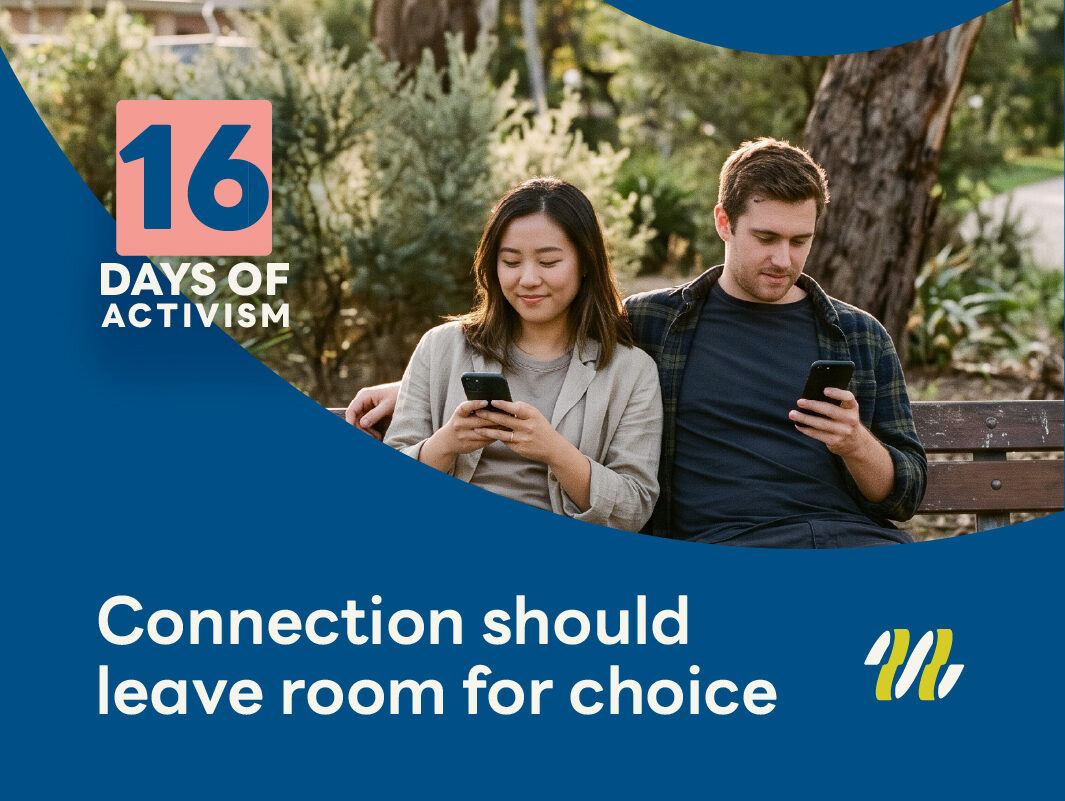
A phone can be put away while the fear it carries remains. Someone experiencing tech-based abuse may still wonder who can see their messages, whether their location is being tracked or what will happen if they do not reply. During "Connected or controlled?", The Hills community is exploring why harm through technology deserves attention in everyday conversations about relationships, safety and support.
Tech-based abuse can involve threats, harassment, unwanted monitoring or restrictions on communication and devices. These behaviours may create a sense that the person using abuse is present everywhere. A notification can become something to dread. Even a quiet phone may bring little reassurance if someone expects another demand. This is about the behaviour being used against a person, rather than the amount of time they spend online.
The effects can reach into ordinary decisions. Someone may stop contacting a friend because messages are checked. They might hesitate before attending an activity, sharing an opinion or asking for help. These are examples of how fear can narrow a person's choices. Staying connected may become harder precisely when support is needed. The loss is not simply access to an app; it can affect relationships, independence and belonging.
People can also experience distress, humiliation, disrupted concentration or feeling constantly on edge. ANROWS research has documented emotional and psychological impacts associated with technology-facilitated abuse. There is no single response that everyone shares, and the seriousness of abuse cannot be judged by how someone appears. A person may continue working, caring for children or joining community activities while carrying concerns that others cannot see.
Consider a fictional example. A worker checks their phone throughout a meeting because they fear accusations if a message is missed. Others may see distraction without understanding the pressure behind it. Responding with curiosity and care, rather than public criticism, can also leave room for a private conversation if the person wants one and it is safe.
Abuse can continue across different channels or after a relationship ends. Changing a number or leaving a platform may not address the wider situation, and withdrawing from technology can also limit access to friends, work or services. Suggestions to simply switch everything off can overlook those realities. The person experiencing abuse should not be expected to give up ordinary participation to accommodate another person's harmful behaviour.
Responsibility for abuse and any escalation remains with the person using it. Asking why someone shared a password or did not block contact can shift attention away from that responsibility. A more supportive response is to take their concern seriously and ask what would help. They may need someone to listen, practical assistance or time to consider options. Their decisions should guide the support offered, without pressure to explain everything.
Specialist support can help someone plan around their circumstances. If monitoring is suspected, using a device the abusive person cannot access may be safer. Before changing passwords, deleting apps or blocking someone, seek advice about possible risks. Friends and family can help by respecting privacy, avoiding confrontation and checking what communication is safe. A caring response should preserve connection without creating new pressure or exposing the person to further harm.
Our community does not need to wait for visible injuries to recognise that abuse matters. Learning about its impacts helps us listen with greater understanding and challenge dismissive assumptions. Explore the "Connected or controlled?" campaign page for resources and local participation opportunities. For support and safety planning, call 1800RESPECT on 1800 737 732. eSafety provides information about tech-based abuse and relevant reporting options. In immediate danger, call Triple Zero (000). Visit zerodfv.co for local support information.