Respect Online Starts With Everyday Choices
Respect Online Starts With Everyday Choices
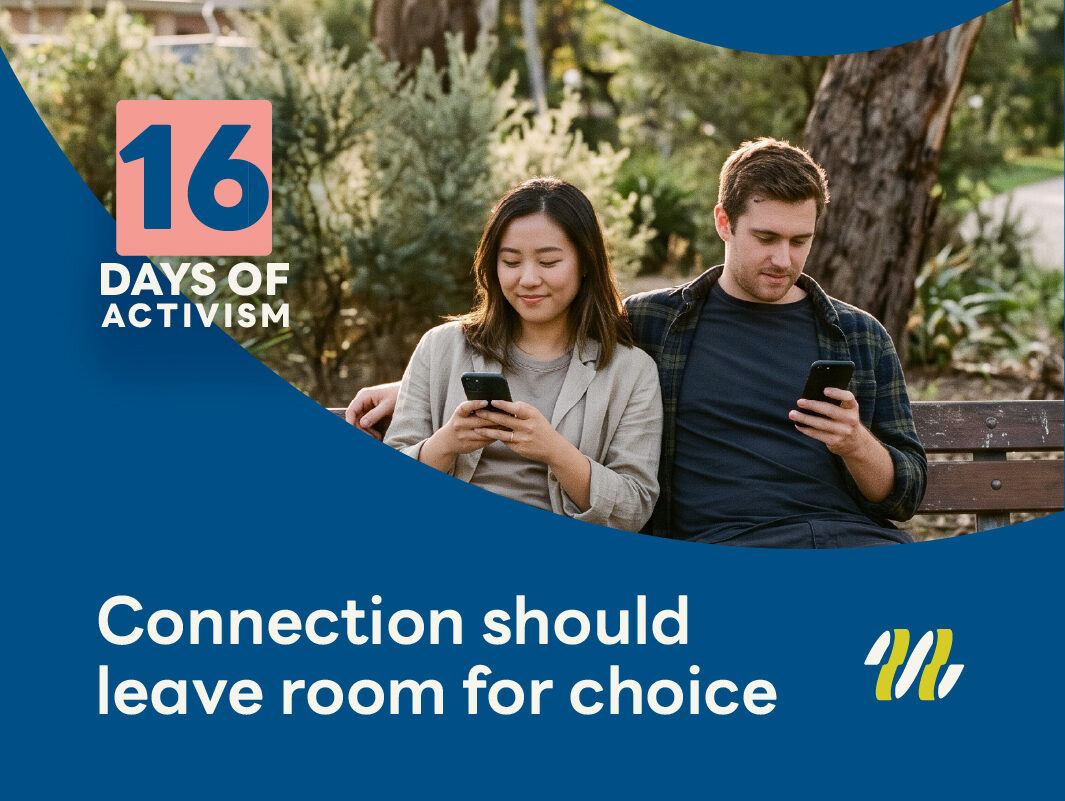
Respectful relationships are built through everyday interactions. That includes the messages we send, the photos we share and the expectations we bring to being online. During The Hills "Connected or controlled?" campaign, we are exploring practical ways to recognise respect in these moments. The starting point is simple: each person has their own privacy, independence and right to make choices, even in a close relationship.
Think about a message that has not been answered. Someone may be working, resting, studying or spending time with friends. A respectful response leaves room for that person to be unavailable. Repeatedly calling, switching platforms or demanding proof of where they are can create pressure. We can notice our expectations and choose a response that does not make another person responsible for managing our discomfort or worry.
Privacy matters too. A person can value their relationship and still keep messages or passwords private. Freely choosing to share an account does not mean agreeing to every future request for access. Trust should leave room for someone to say no or reconsider an arrangement without punishment. Respecting that choice shows consideration for the person, rather than treating their private information as something another person is entitled to inspect.
Before posting a photograph, forwarding a message or sharing someone's location, ask whether they are comfortable with it. Permission for one occasion does not cover everything that follows. A person may change their mind, and their decision should be respected. In a fictional example, a friend asks not to be tagged at an event. Accepting that request without demanding an explanation is a straightforward way to practise consideration.
Boundaries are about a person's own limits and choices. Saying that you will put your phone away during dinner describes your behaviour. Demanding that a partner delete particular friends controls theirs. People can discuss shared routines while preserving independence. In safe relationships, these conversations allow differences to be heard without threats or pressure. Agreement should come from genuine choice, rather than fear of what might happen if someone disagrees.
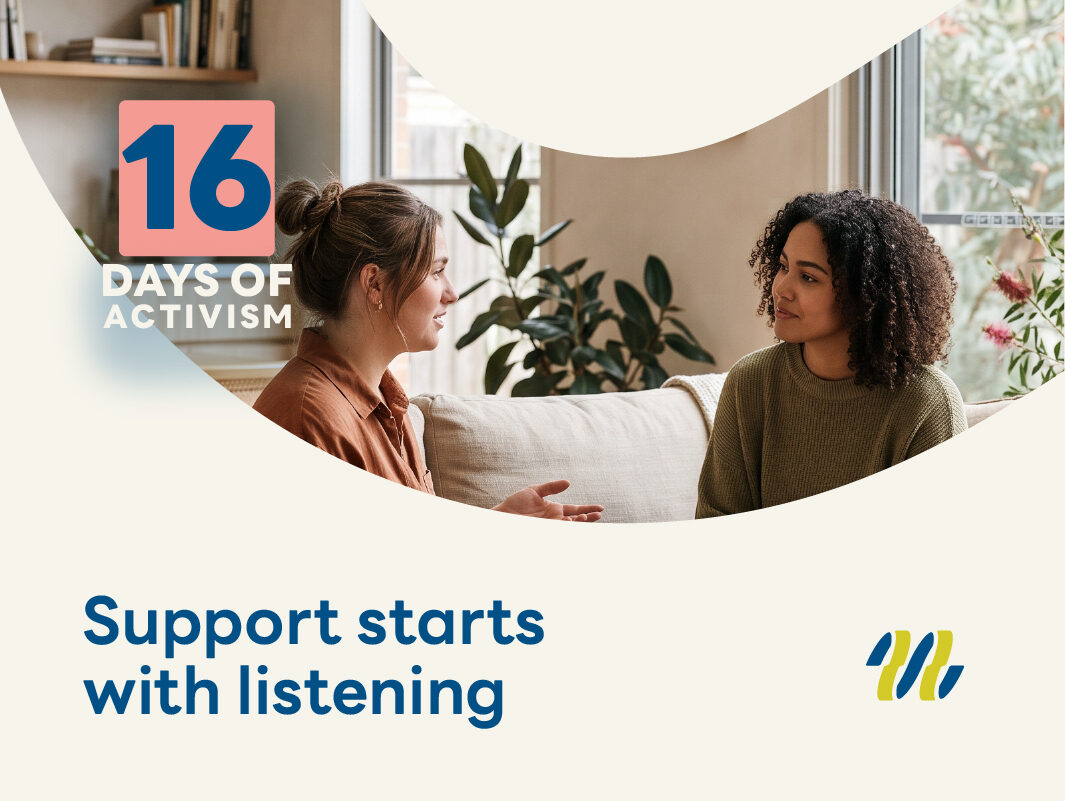
We can model these principles beyond intimate relationships. A colleague can ask before sharing a group photo. A coach can avoid expecting immediate replies outside agreed communication times. A parent can explain why privacy and consent matter while discussing age-appropriate online safety. Small examples make respectful behaviour easier to recognise. They also give community members something concrete to discuss, without requiring anyone to disclose personal experiences or speak for other people.
Consider a shared group chat. Before adding another person, check whether they want to join and whether existing members are comfortable sharing their contact details. Respect can include clearly explaining the purpose of the group and accepting someone's choice to participate differently, without embarrassment or pressure.
Reflection is useful, but responsibility needs to stay clear. Someone experiencing abuse is not responsible for communicating perfectly or making another person respect a boundary. Threats, intimidation and monitoring are the responsibility of the person using them. If raising a concern feels unsafe, specialist advice may help someone consider their options. Changes to devices or accounts should be planned around safety, particularly when monitoring or retaliation is a concern.
A community conversation gives us space to learn and consider our own conduct. During the 16 Days of Activism, choose one everyday action that demonstrates respect for another person's independence. Explore the campaign page for learning resources, polls and confirmed local activities. Experiencing tech-based abuse? Call 1800RESPECT on 1800 737 732 for support and safety planning. eSafety offers information about online harms. In immediate danger, call Triple Zero (000). Local support information is available at zerodfv.co.