How to Support Someone Experiencing Abuse Through Technology
How to Support Someone Experiencing Abuse Through Technology
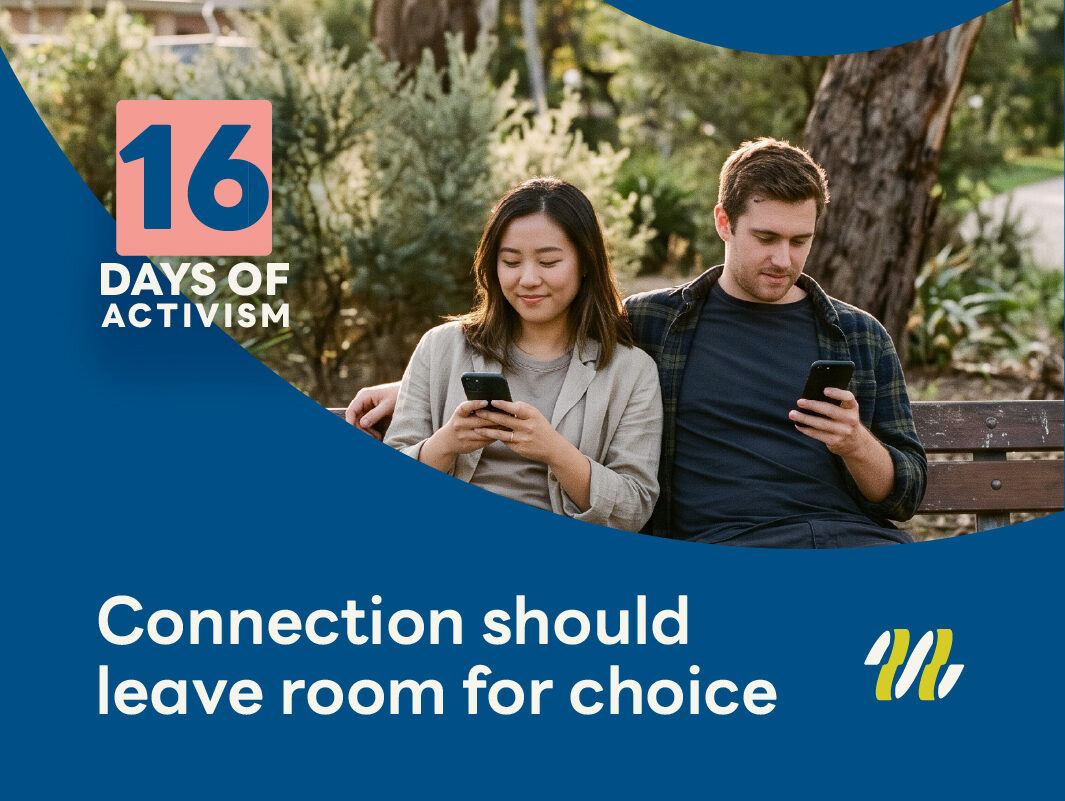
When someone shares a concern about tech-based abuse, we may want to fix the situation immediately. Care can begin more quietly: making space to listen and letting the person decide what they want to share. During The Hills "Connected or controlled?" campaign, we are exploring how friends, relatives, colleagues and neighbours can offer support that respects someone's safety, privacy and choices. You do not need every answer to respond with consideration.
Start by considering whether it is safe to talk. A message asking about abuse could be seen by the person using it. Find a private opportunity and ask what communication feels safe, including whether you can contact them later. Avoid assuming that their phone, email or social account is private. If it is not safe to have the conversation, respect that and look for an appropriate opportunity without creating pressure.
Listen without asking them to prove what happened. Let them speak at their own pace, and avoid questioning why they stayed, shared access or did not report something. You can acknowledge that their concern matters, tell them you believe them and remind them that abuse is not their fault. A person may describe only part of their experience. Support does not depend on receiving a complete account or seeing evidence.
Respect their decisions, even when they differ from what you would choose. They know details about their circumstances that you may not see, and action can carry risks. Ask what would be useful instead of issuing instructions. They might want company, practical help or information about services. If they decline support, remain available where safe. Avoid making promises that you cannot keep or taking steps on their behalf without discussing them.
For example, offer a choice: would they prefer you to listen now, help find information, or check in another time? Accept their answer, including a request for space, without treating it as rejection.
Do not confront the person using abuse. That may increase danger for the person you want to help. Equally, avoid taking over a device, deleting apps or changing account settings as a quick solution. Changes can alert an abusive person and need to be considered within a safety plan. If monitoring is suspected, discuss whether the person can access support through a device the abusive person cannot access.
Your own online behaviour matters. Ask before tagging the person, posting their photograph or sharing information about their location or children. Something intended as friendly encouragement could reveal details they need kept private. Follow their preferences about contact and information sharing. Do not turn their experience into a public story or a community discussion. Keeping control over personal information with the person affected is a practical expression of respect.
When they are ready, offer to help them connect with specialist support. That could mean sitting nearby while they contact a service, finding information together or helping with transport. Let them guide what feels useful. 1800RESPECT can also advise friends and family who are unsure how to respond. eSafety provides information about tech-based abuse and reporting pathways. Seeking advice can help supporters avoid actions that unintentionally increase risk.
Support is often an ongoing relationship rather than a single conversation. Staying available, listening and respecting choices can help someone feel less alone while they consider next steps. Explore Zero DFV's support page for services in The Hills Shire and use the campaign resources to keep learning. For confidential support and safety planning, call 1800RESPECT on 1800 737 732. If someone is in immediate danger, call Triple Zero (000). The responsibility for abuse always lies with the person using it.