
Menu
Add a description or promo here


The Small Actions That Build a Caring Community
Everyday Actions Build Safer and More Connected Communities
The Small Actions That Build a caring Community
Creating a safer and more caring community does not always begin with a major initiative.
Often, it begins with something much smaller.
A greeting. An invitation. A conversation. A moment of listening.
Domestic and family violence is a serious community issue, and preventing it requires long-term cultural change. Part of that change happens through the behaviours we practise and encourage every day like respect, inclusion, empathy, equality and care for others.
Small actions help make those values visible.
Consider the difference between walking past someone new and taking a moment to say hello.
Or noticing that a neighbour has not been around lately and checking in.
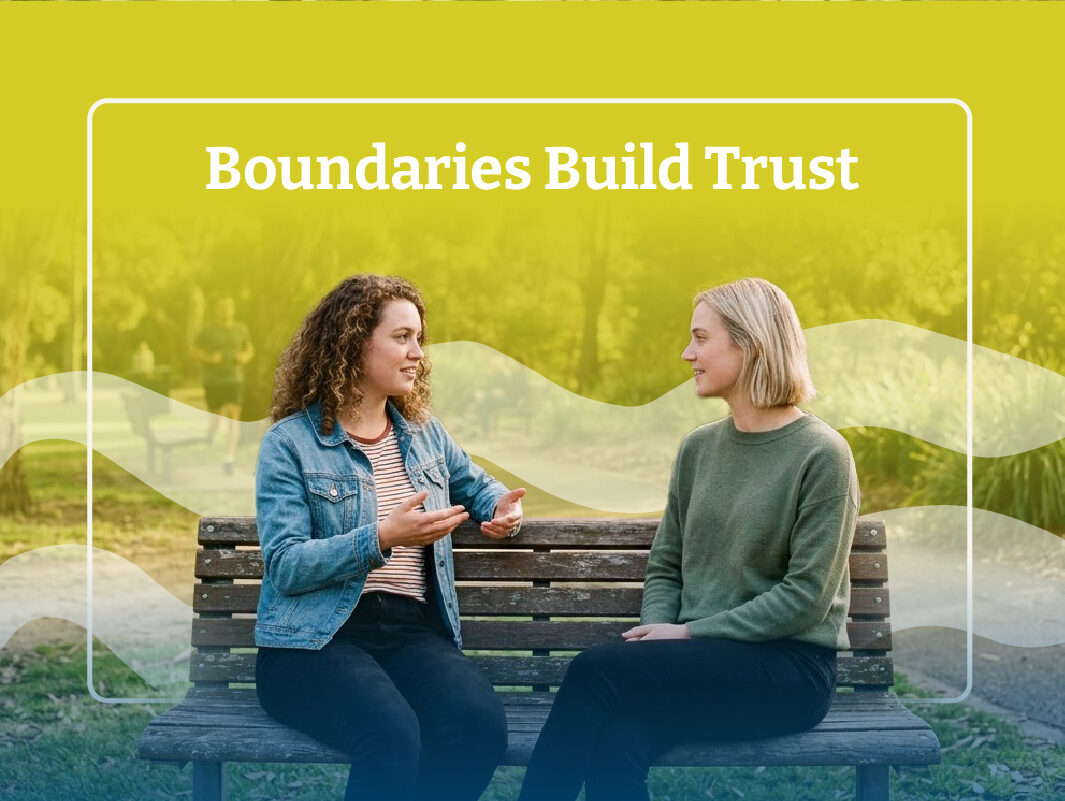
It might mean listening to a friend without immediately offering advice, inviting someone sitting alone to join a group or making sure every voice has space in a workplace or community discussion.
None of these actions needs to be complicated.
Their importance comes from what they communicate: You are welcome here. You matter. Someone has noticed you. Your voice deserves respect.
These messages help strengthen the sense of belonging that makes communities more connected.
Everyday actions are also opportunities to model the behaviour we want others to experience.
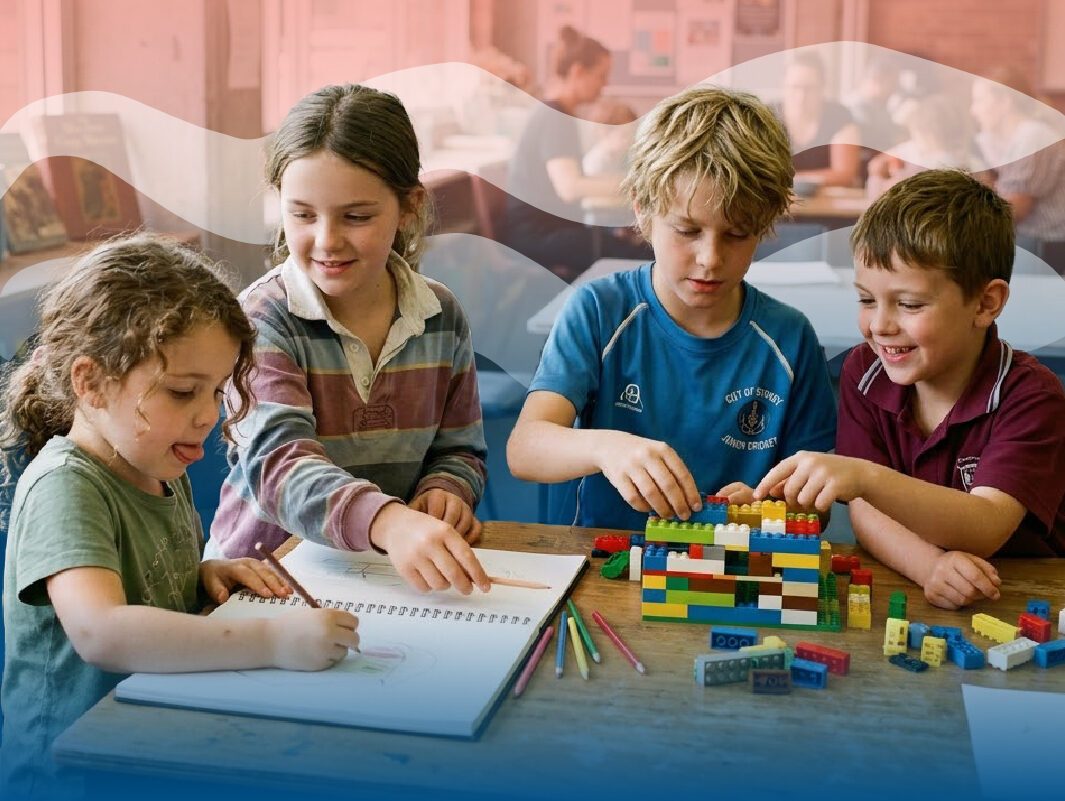
Parents can show children what respectful disagreement looks like. Coaches can ensure every player is treated with dignity. Workmates can challenge dismissive behaviour and make room for quieter voices. Community leaders can create activities where different people feel welcome to participate. Friends can listen without judgement. Neighbours can make connection part of ordinary street life.
We do not need to wait for the perfect opportunity to contribute to prevention. There are opportunities every day.
Try asking yourself: Who could I include? Who have I not heard from recently? Am I listening to understand? Do people around me feel respected? Could I make it easier for someone to participate?
One action may feel small. Hundreds of small actions, repeated throughout homes, workplaces, clubs, schools and neighbourhoods, begin to shape culture.
They demonstrate what our community values. They teach children and young people what respectful relationships look like. They strengthen connection between people who may otherwise remain strangers. And they remind us that creating safer communities is not somebody else's responsibility.
We can all contribute through the way we treat people around us.
A caring community is built in ordinary moments. The next one could start with you.

Next...






FUNDING PARTNER
CHRG (Castle Hill RSL Group) is a community-led organisation that has served, supported, and strengthened the communities of North-West Sydney for 50 years.
.webp)